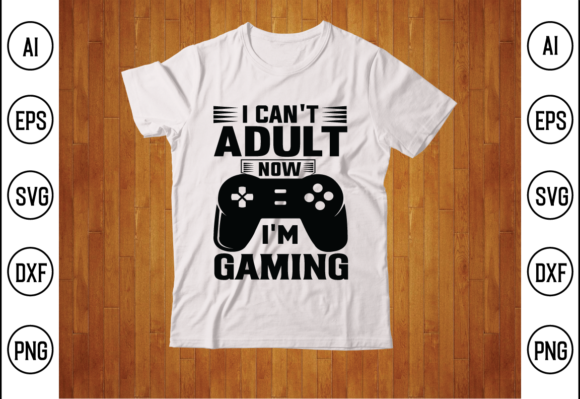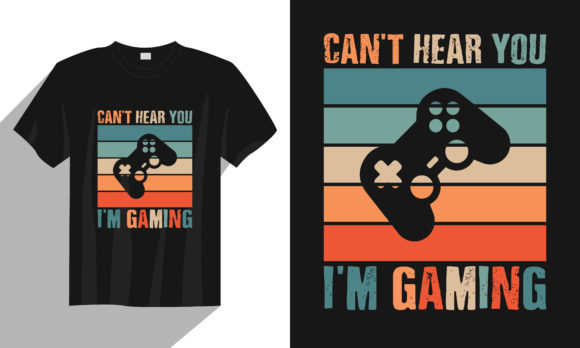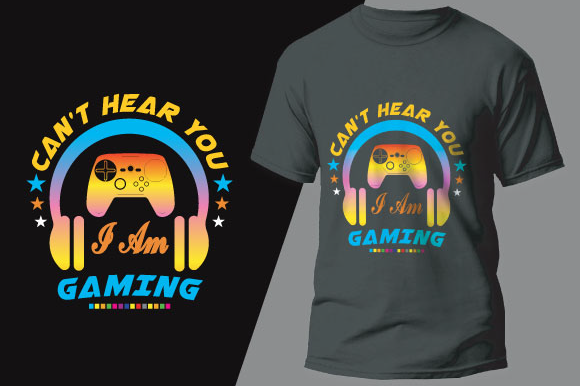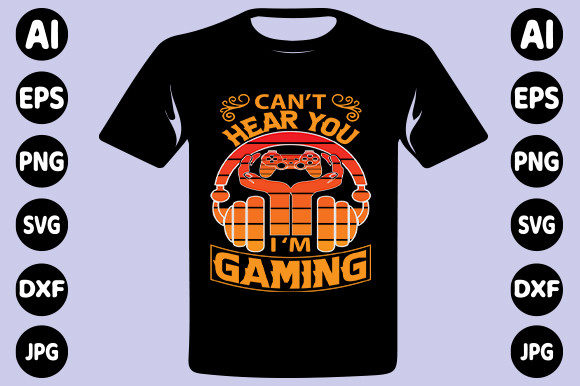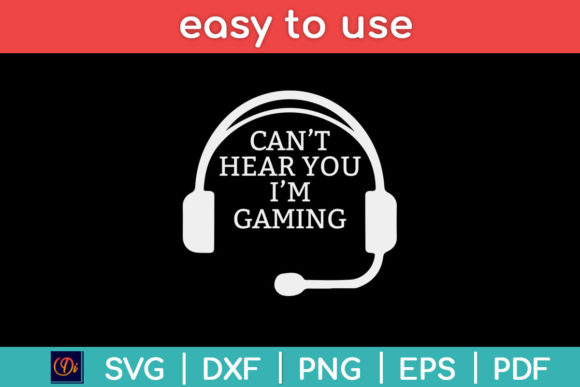
Can't Hear You I'm Gaming SVG: A Gateway to Personalized Crafting
The phrase "Can't Hear You I'm Gaming" has become a ubiquitous slogan in the digital age, a playful declaration of focus and dedication from gamers to the outside world. But beyond the meme, this phrase represents a vibrant intersection of culture, creativity, and technology when embodied in a specific format: the SVG file. This article explores the "Can't Hear You I'm Gaming SVG," demystifying what it is, its practical significance, and how it empowers hobbyists, entrepreneurs, and creatives to bring personalized projects to life.
Understanding SVG Files: The Digital Blueprint
To appreciate the "Can't Hear You I'm Gaming SVG," we must first understand its core component. SVG stands for Scalable Vector Graphic. Unlike common image formats like JPEG or PNG, which are made of pixels, an SVG is built using mathematical paths, lines, curves, and shapes. This vector nature gives it a unique and powerful property: it can be scaled to any size without losing quality or becoming blurry. Whether you're printing it on a small keychain or a large wall decal, the edges remain crisp and clean.
This technical foundation makes SVG files the gold standard for design and manufacturing workflows involving cutting machines and printers. They act as precise digital blueprints, telling a machine exactly where to cut, where to print, or both. When you encounter a product listing offering a "Can't Hear You I'm Gaming SVG," it means you are purchasing this precise, scalable blueprint of that popular design.
The Complete Digital Package: What You Actually Receive
A typical offering is not just a single SVG. To ensure compatibility with various software and purposes, designers bundle multiple file formats. When you purchase a "Can't Hear You I'm Gaming" design pack, you will usually receive:
- SVG Files: The primary vector file for cutting machines like Cricut and Silhouette.
- PNG Files: A high-resolution raster image with a transparent background, ideal for standard digital printing or use in software that doesn't support vectors.
- DXF Files: Another vector format, often used as an alternative for certain cutting software.
- EPS Files: A legacy vector format favored in professional graphic design applications.
- PDF Files: A reliable, universal format for viewing and printing, ensuring everyone can open and reference the design.
This multi-format approach underscores the practical relevance of such products. It removes technical barriers, allowing anyone from a beginner to a seasoned crafter to use the design with their available tools.
The Purpose and Significance: From Meme to Merchandise
The "Can't Hear You I'm Gaming" SVG transforms a cultural catchphrase into a tangible asset. Its purpose is twofold: creative expression and micro-entrepreneurship.
For the home crafter, it represents instant access to a trendy design without needing advanced graphic design skills. It enables personalized gift creation—think a custom t-shirt for a gaming friend, a mug for a sibling, or decals for a game room. This taps into the modern desire for personalized, meaningful items over mass-produced goods.
On a business level, these files are the raw materials for a cottage industry. Small business owners, often operating through platforms like Etsy or at local craft fairs, use these SVGs to produce and sell finished products. The SVG file is their manufacturing template. By purchasing the commercial-use license (often available), they can legally create inventory to sell. This fits perfectly into modern e-commerce trends, supporting independent makers and niche markets.
Compatibility with Cutting Machines: Cricut and Silhouette
The specification that these files are "compatible with Cricut and Silhouette" is crucial. These are the dominant brands of desktop cutting machines, tools that have revolutionized home crafting and small-scale production. A Cricut or Silhouette machine reads the paths in the SVG file and uses a tiny blade to precisely cut material along those lines.
The process, often called "Print Then Cut," involves printing the design (using the PNG) onto a special material sheet, then having the machine cut around the printed outline. This seamless integration between software (the SVG) and hardware (the cutting machine) is where the magic happens, turning a digital file into a physical object.
Practical Applications in Modern Life
The listed applications—t-shirts, mugs, wall decals, pillows, posters, phone cases—are not just examples; they are a roadmap to projects that resonate with contemporary lifestyles.
- Apparel (T-shirts): Personalized apparel is a massive market. This SVG allows for the creation of niche, conversation-starting clothing.
- Home Decor (Wall Decals, Posters, Pillows): It enables individuals to customize their living spaces, especially gaming setups or entertainment rooms, with professional-looking decor.
- Functional Items (Mugs, Phone Cases): These are everyday items that become personalized trophies of identity and interest.
- Print N' Cuts: This term refers to the all-in-one process mentioned above, ideal for projects where a printed image needs a precise cut-out shape, like a sticker or a decal with complex artwork.
Each application connects the digital gaming culture with physical objects, blurring the line between online identity and offline expression.
Clarifying Common Misunderstandings
Several assumptions can cloud understanding of these digital design files. Let's clarify them:
- Misunderstanding 1: "I'm buying a physical product." No, you are buying the digital blueprint to make the physical product. You must have the crafting machine, materials (vinyl, transfer paper, blank mugs, etc.), and knowledge to assemble it.
- Misunderstanding 2: "The SVG is the final image I see." The SVG is the code behind the image. You might preview it as a picture, but its value is the vector data within. Software like Cricut Design Space interprets this data for cutting.
- Misunderstanding 3: "I can use it for anything if I buy it." License terms vary. Many are for personal use only. To sell items made from the file, you typically need an explicit commercial use license from the designer. Always check the terms.
- Misunderstanding 4: "All SVG files are the same quality." A poorly created SVG might have overlapping paths, extra points, or incorrect grouping, causing errors in cutting software. Quality depends on the designer's skill.
Building a Broader Understanding: The Ecosystem of Digital Crafting
The "Can't Hear You I'm Gaming SVG" is a single node in a vast ecosystem. This ecosystem includes:
- Digital Design Marketplaces: Sites like Etsy, Creative Market, and Design Bundles where artists sell their SVG files.
- Crafting Hardware & Software: The cutting machines and their companion design apps (Cricut Design Space, Silhouette Studio).
- Material Suppliers: Providers of specialty vinyl, heat-transfer material, blank substrates, and tools.
- Educational Communities: YouTube tutorials, blog posts, and social media groups where crafters share knowledge on using these files effectively.
Understanding this ecosystem reveals that such an SVG file is more than a download; it's an entry point into a community of makers. It supports education in digital fabrication, fosters creativity, and even provides a path to small business development in the creative economy.
Its Role in Creativity and Technology Convergence
Finally, the significance of these files lies in how they represent the democratization of design and manufacturing. Technology (vector graphics, affordable cutting machines) has lowered the barrier to entry. Creativity is no longer locked behind professional software expertise. A person with a creative idea can purchase a well-crafted SVG of a popular phrase, learn basic machine operation through online resources, and produce something unique. This convergence empowers individuals to become creators, not just consumers, blending their personal interests—like gaming culture—with hands-on making. The "Can't Hear You I'm Gaming SVG" is a perfect symbol of this modern capability: a piece of digital culture, ready to be worn, used, and displayed in the physical world, all created by you.